
Do You Need a Battery With Your Solar System?
By the Epex Home Performance team
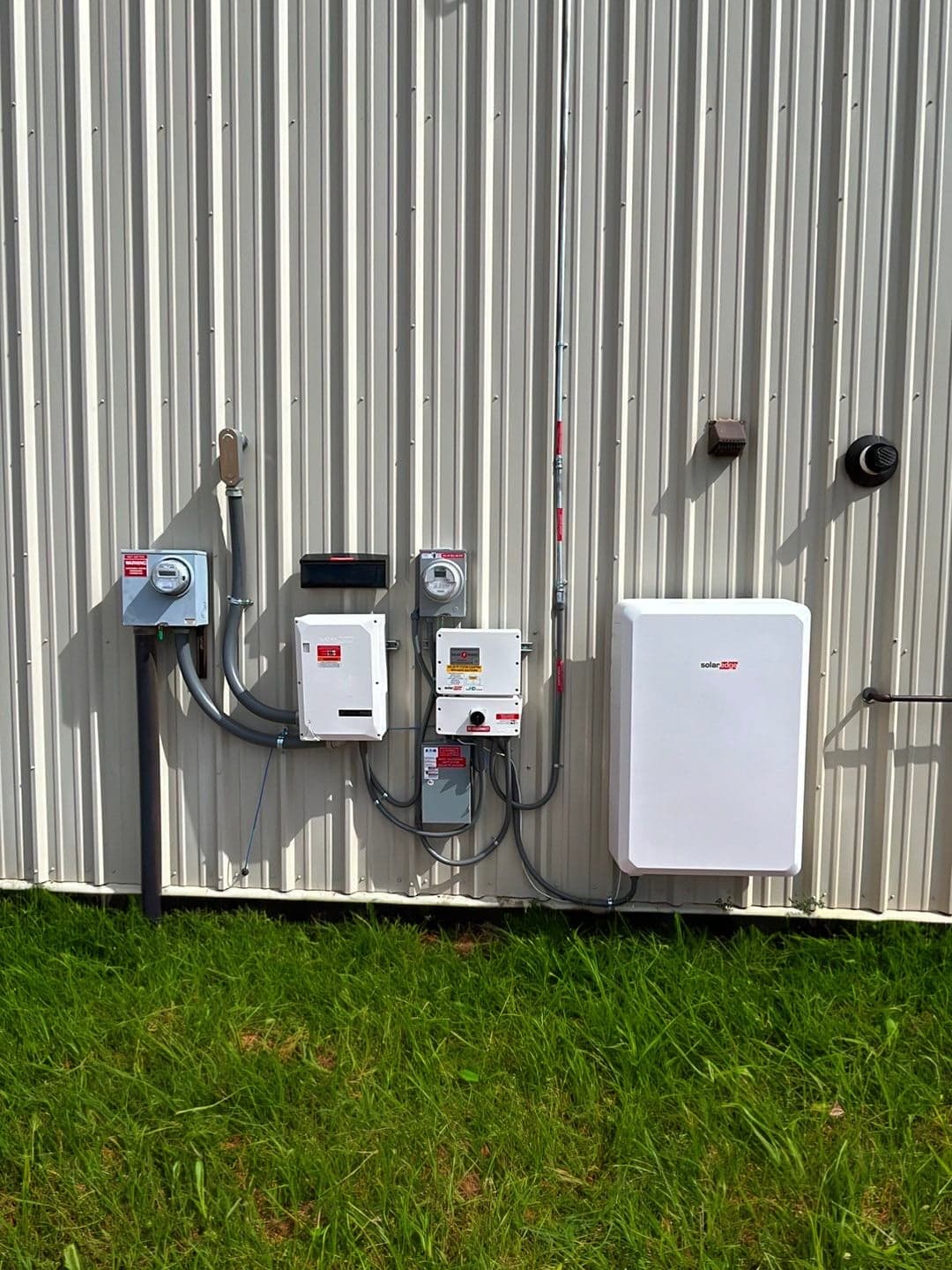
A home battery adds $10,000–$20,000 to your solar system in 2026 and makes the most sense if you experience frequent power outages, have time-of-use electricity rates, or want maximum energy independence. For most New Mexico homeowners with PNM's net metering, a battery is primarily a comfort and resilience investment rather than a financial one — and as of 2026, federal tax credits no longer apply to owned residential battery purchases.
Battery Storage: Worth It or Overkill?
Home batteries are the fastest-growing segment of residential solar. But they add $10,000-$20,000 to your system cost. Here's how to decide if that investment makes sense for you.
When a Battery Makes Sense
You experience frequent power outages. Albuquerque's grid is generally reliable, but if you're in an area prone to outages — or you have medical equipment that can't lose power — a battery provides genuine peace of mind.
You have time-of-use electricity rates. If your utility charges more during peak hours (typically 4-9 PM), a battery lets you use stored solar energy instead of expensive grid power during those windows.
You want maximum energy independence. With enough battery capacity, you can cover 80-100% of your overnight energy needs with stored solar, dramatically reducing your grid dependence.
When You Can Skip It
Your utility offers good net metering. PNM's net metering program credits you for excess solar sent to the grid. If credits offset your nighttime usage, the financial case for a battery is weaker.
Budget is your primary concern. The money you'd spend on a battery often generates better returns if invested in a larger solar array instead.
You're rarely home during outages. If outages are infrequent and don't disrupt your life, the investment may not be justified.
The Bottom Line
A battery is a comfort and resilience investment more than a financial one in most New Mexico scenarios. The federal residential energy credit ended Dec 31, 2025, so the 2026 math is no longer subsidized federally on owned systems — lease and PPA structures may still reflect federal commercial credit value in their pricing. If you're on the fence, talk to our team — we'll model both scenarios with your actual usage data.
Frequently Asked Questions
$10,000–$20,000 installed in 2026 for a standard 13–15 kWh system. The federal residential energy credit ended Dec 31, 2025, so cash and financed purchases no longer get a federal credit. If your battery is bundled into a new solar lease or PPA, federal commercial credit value may be reflected in the pricing.
A standard 13–15 kWh battery powers essential loads (lights, refrigerator, Wi-Fi, medical equipment) for 8–12 hours depending on usage.
If PNM's net metering credits offset most of your nighttime usage, a battery is more of a resilience investment than a financial one. It makes the most sense if you experience frequent outages or have time-of-use rates.