
PNM May Ask NE Albuquerque to Conserve Power: What to Know
By the Epex Home Performance team
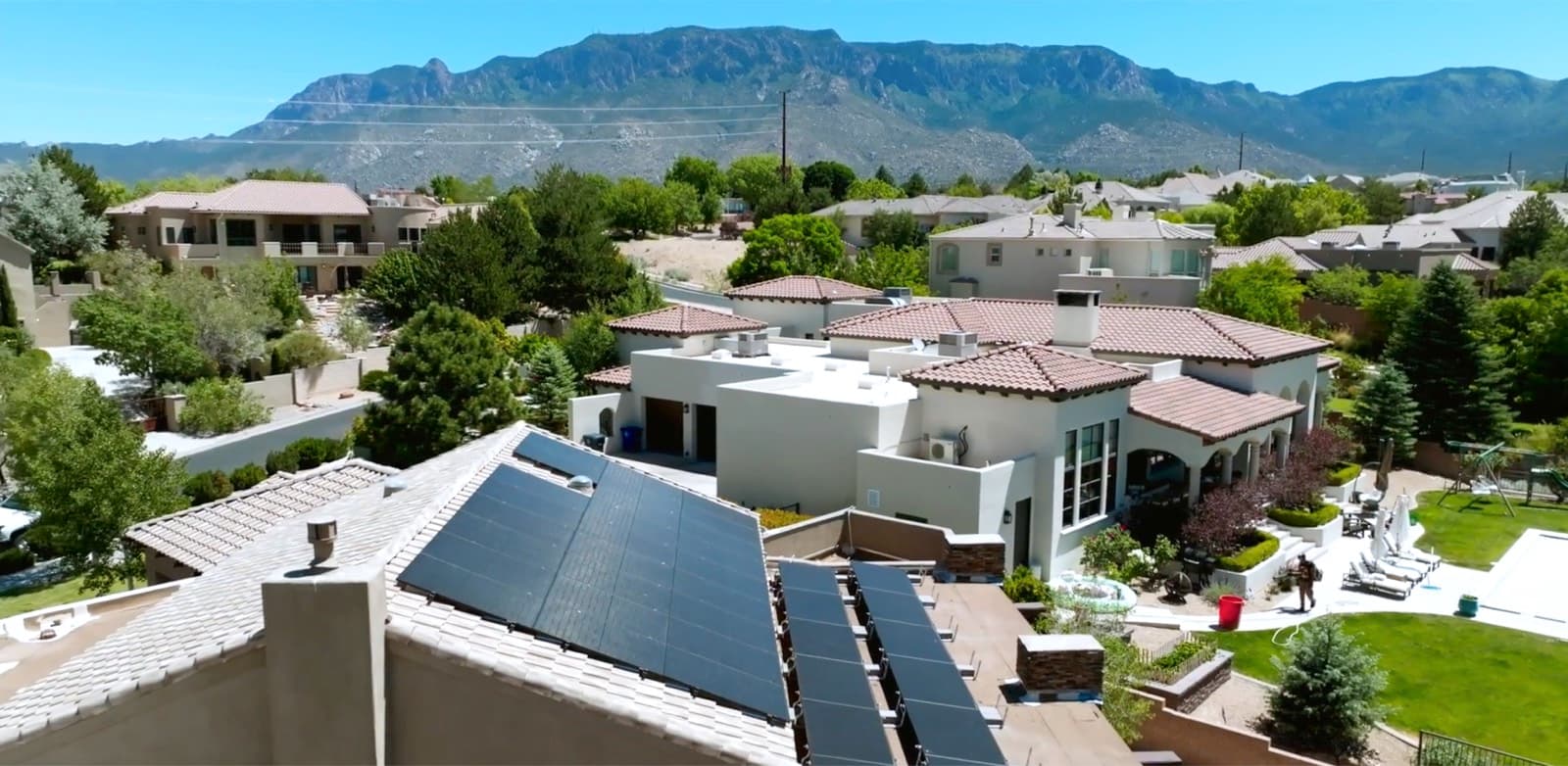
If you live in the far Northeast Heights, you may soon hear from PNM asking you to cut back on electricity between 4 and 9 p.m. KRQE reported this week that PNM could ask roughly 37,000 customers in northeast Albuquerque to conserve power during peak evening hours because the local grid is under strain.
Here is what is happening, what it means for your household, and what you can actually do about it.
What PNM announced
According to KRQE, hot temperatures and increased power usage are straining PNM's system in far northeast Albuquerque. The affected area is a stretch of Paseo del Norte from Louisiana to the Foothills, and Tramway south to Spain.
Two details from the report stand out:
- PNM said its infrastructure has not kept up with growth in that part of the city.
- The utility has been unable to get approval to build a new substation there.
If the strain persists, PNM would begin issuing conservation notices asking customers in the area to reduce electricity use during peak hours, from 4 to 9 p.m.
Why the evening peak matters
The 4 to 9 p.m. window is when the grid works hardest. Everyone gets home around the same time. Cooling systems run against the hottest part of the day, ovens and dryers turn on, and electric vehicles get plugged in. All of that demand stacks up on the same wires and substations at the same hour.
When a neighborhood grows faster than the equipment serving it, that evening peak is where the math stops working. This is not about blame, and it is not a reason to panic. It is a capacity problem, and capacity problems in one part of town rarely stay unique for long.
What to do during a conservation notice
If PNM does issue conservation notices, the goal is simple: move whatever electricity use you can outside the 4 to 9 p.m. window.
- Run the dishwasher and laundry in the morning or overnight instead of after dinner.
- Pre-cool your home earlier in the afternoon, then let the temperature drift up a few degrees during peak hours.
- Close blinds and curtains on west-facing windows. Late-day sun through glass is one of the biggest heat loads in an Albuquerque home.
- Hold off on the oven. Grill outside or cook earlier when you can.
- Charge EVs overnight, when demand and rates are lowest.
- Skip the pool pump and other big motors during the evening window.
None of this is complicated. But it is worth being honest: these are short-term workarounds, not a fix.
The bigger picture for Albuquerque homeowners
This story is a preview of the next decade, not a one-off. Demand for electricity keeps rising, infrastructure approvals move slowly, and summers keep getting hotter. When a utility is asking 37,000 households to use less power at dinnertime because the equipment cannot keep up, the practical takeaway for a homeowner is this: the grid you depend on has limits, and you have more control over your side of the meter than you do over theirs.
You cannot control when a substation gets approved. You can control how much power your home needs and where that power comes from.
Three ways to make your home less dependent on the evening grid
We think about a house as one system. In that frame, there are three levers, and they work in order.
1. Reduce what your home needs
The cheapest kilowatt-hour is the one your home never uses. In the affected area, most homes were built decades ago, and single-pane or failing windows on the west side do exactly the wrong thing at exactly the wrong time: they let in heat from 4 to 9 p.m., which is when the grid needs you to use less cooling. Energy-efficient windows and a tighter building envelope shrink that evening load permanently.
2. Generate your own power
Rooftop solar turns the same sun that drives the demand problem into supply. New Mexico's net metering rules credit the excess power you send to the grid at the full retail rate, and the state's Solar Market Development Tax Credit may cover 10% of the cost of a purchased system, up to $6,000. We help you understand which programs may apply, and your tax professional confirms the final details.
3. Store it for when it counts
Solar production peaks at midday. The grid strain, and the conservation window, is 4 to 9 p.m. Battery storage bridges that gap. A battery lets your home run on stored solar power through the evening peak, which takes load off the neighborhood grid precisely when PNM is asking for relief. It also keeps your essentials running if an outage ever does hit.
A home that needs less, makes its own power, and stores some for the evening is not waiting on a substation approval.
The bottom line
If you get a conservation notice from PNM this summer, take it seriously and shift what you can. Then use it as a prompt to look at your own home's energy picture. Grid strain in northeast Albuquerque is real, it is documented, and it is not going away next summer.
If you want a clear read on where your home stands, start with a free consultation. We will look at your home as a system, tell you what actually makes sense for it, and give you straight answers either way.
Frequently Asked Questions
PNM says hot temperatures and increased power usage are straining its system in far northeast Albuquerque. The utility has stated that its infrastructure has not kept up with growth in that area and that it has been unable to get approval to build a new substation there. If the strain persists, PNM could ask customers in the area to conserve electricity during peak hours, from 4 p.m. to 9 p.m.
The affected area covers roughly 37,000 PNM customers in the far Northeast Heights. KRQE reports the zone as a stretch of Paseo del Norte from Louisiana to the Foothills, and Tramway south to Spain.
Shift large electrical loads out of the 4 to 9 p.m. window. Run the dishwasher, laundry, and pool pump in the morning or overnight, pre-cool your home earlier in the afternoon, close blinds on west-facing windows, and charge electric vehicles overnight. Longer term, homeowners can reduce their dependence on the evening grid peak with a tighter building envelope, solar generation, and battery storage.